That jacket at the back. The trousers you love but rarely reach for. Your wardrobe should help you see possibilities, not give you another thing to organise.
The personal wardrobe experience is in development. You can explore our sample wardrobe today; joining the list is free and does not start a subscription.
A FEW FAMILIAR FAVOURITESStart with what you have.
A familiar moment
You found the right shirt. Is it ready to wear?
A useful wardrobe remembers more than a photograph. We’re building a place for the size, care notes, fit feedback and current availability that make a piece useful in real life.
Find by colour, occasion or category
Check clean, stored or being repaired
Keep your own notes about fit
INSIDE A USEFUL GARMENT RECORD
The detail that makes a favourite easy to find.
A photo grid can look organised while telling you very little. You need to know which black trousers these are, where you put them and whether they are comfortable for the day ahead. That is the difference between a catalogue and a wardrobe you can use.
Give the piece a name you recognise: ‘navy trousers with the soft waistband’ works. Add its label size if known, then a fit note in your own words. Composition, care instructions and purchase information are separate details; an empty field is better than an invented answer.
Start with identity, category, availability and your own fit note.
02
Let availability change the answer
Clean, washing, drying, packed away, lent out and being repaired are different situations. A saved outfit can include a piece you own but cannot wear today. The planned wardrobe should show that conflict and help you choose an available replacement without deleting the original look.
Owning a piece is not the same as having it ready.
03
Keep corrections and seasonal decisions simple
Review duplicates before counting them twice. When you store winter clothes, keep their records and storage location. When an alteration changes the hem or waist, update the relevant measurements instead of treating the original label as the final truth.
Your wardrobe should stay useful as the clothes change.
THE DETAILS, MADE CONCRETE
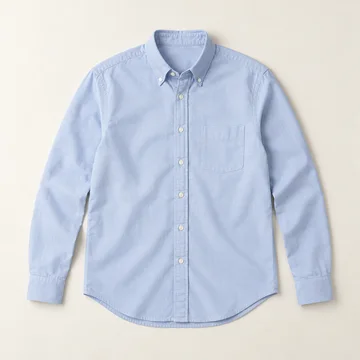
Meet the blue shirt
An example item record, using a garment from the sample wardrobe.
Meet the blue shirt
Detail
Example entry
Why it matters
Fit experience
Comfortable open over a tee; snug when buttoned
Different ways of wearing it need different suggestions
Availability
Drying until tomorrow
Do not depend on it for tonight
Location
Everyday rail
Find it when it is time to leave
Material
Not yet checked
Read the label before recommending care
↳You do not need to fill every field at once. Add a detail when it helps answer a real question.
BEFORE YOU TAKE THE NEXT STEP
A little more clarity.
Practical answers, including what is still being built.
Will I need to buy new clothes?+
No. Your owned wardrobe is the starting point. Buying something is a separate decision, never the price of getting a useful outfit.
What about second-hand or unlabelled pieces?+
They belong in your wardrobe too. A descriptive name, your own measurements and experience can be useful even when the brand, original price or label size is unknown.
Can one item belong to several outfits?+
That is the point. One garment record should connect to many looks, so a repair or availability change can be reflected wherever that piece is used. This connected personal wardrobe is still in development.