You deserve to know what sits behind a recommendation—and where its confidence should stop. Styling, body visualisation and physical fit solve different questions.
The personal wardrobe experience is in development. You can explore our sample wardrobe today; joining the list is free and does not start a subscription.
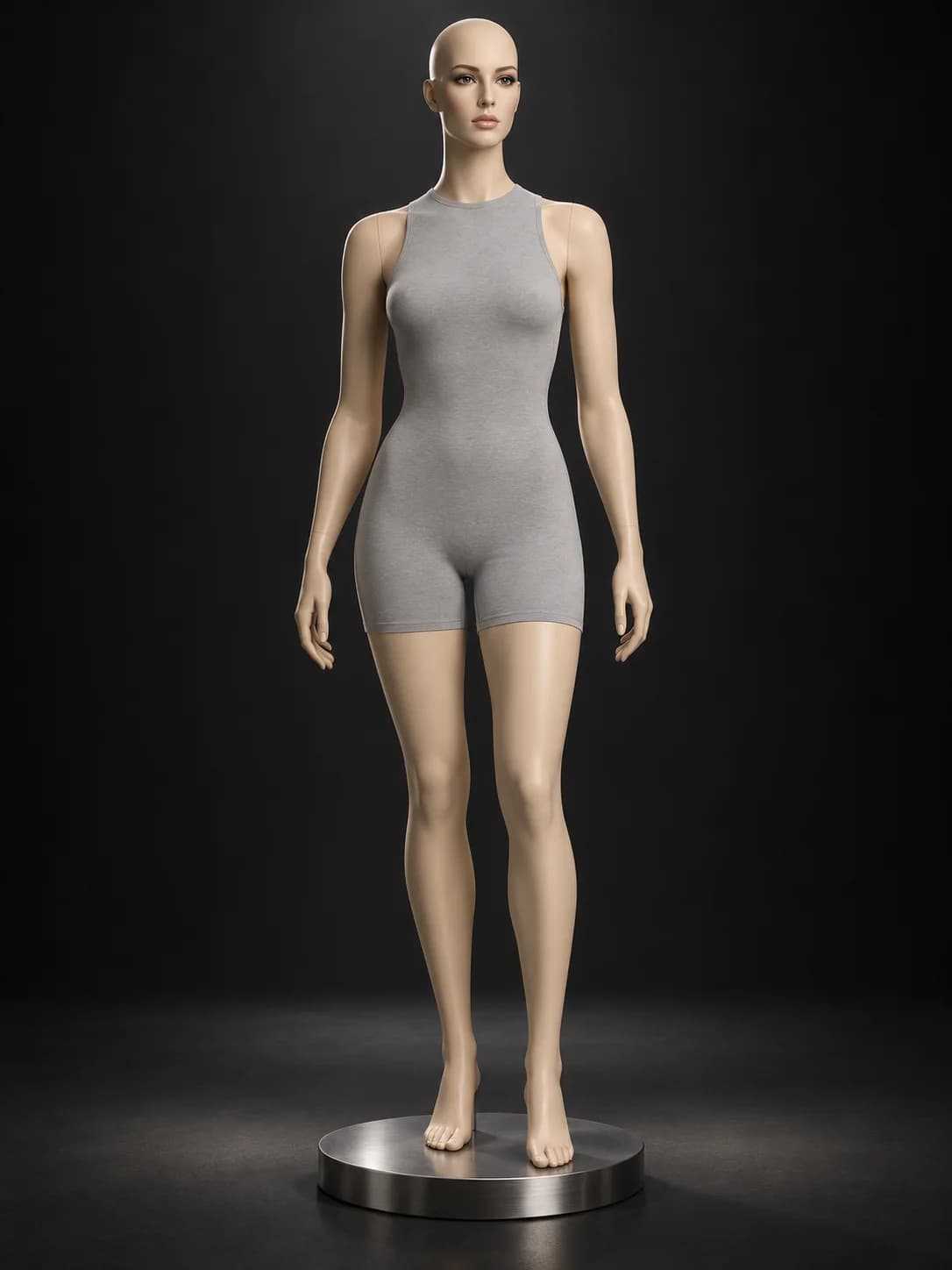
DIGITAL ME / CONCEPT ARTWORK✳
The architecture we’re building
Find the right pieces. Compare them. Explain the choice.
Retrieval selects eligible owned garments. Ranking considers your constraints and preferences. Generation explains the selected look, with checks that it hasn’t invented clothes you don’t own.
Owned and available comes first
Constraints before creative preference
Explanations tied to the selected pieces
WHAT THE TECHNOLOGY HAS TO PROVE
A convincing picture is only one part of a fitting system.
It is easy to confuse a realistic-looking result with a reliable one. Trezhyr’s own body and wardrobe technology needs to connect personal dimensions, garment evidence and practical experience. Each layer has a different job and a different standard of proof.
A suggestion should begin with the garments the person actually owns and can use, plus the preferences relevant to the day. A piece awaiting repair should not be treated as ready. Missing garment composition or dimensions should remain missing rather than be filled in by a confident sentence.
The first test is whether the underlying information is correct and relevant.
02
Rank options before explaining them
The product architecture separates finding candidates, comparing them against constraints and generating an explanation. A language model should explain a grounded result, not invent evidence of fit, fabric or availability. Requirements such as coverage and mobility should not be traded away for a more appealing description.
An articulate explanation is not a substitute for a valid decision.
03
Validate geometry and garments independently
A personal body form needs measurement checks and coherent anatomy from several views. Clothing behaviour additionally depends on garment construction and materials. The actual result needs comparison with known measurements and real wear conditions before accuracy claims can be made. This work is not established by the concept images shown here.
Independent checks matter more than a polished demonstration.
THE DETAILS, MADE CONCRETE
Three outputs that must not be confused
A reading guide for Trezhyr’s current and planned demonstrations.
Three outputs that must not be confused
Output
What it demonstrates
Evidence still needed
Curated wardrobe sample
How selecting and swapping pieces can feel
Personal retrieval and recommendation behaviour
Concept body artwork
The intended visual direction
A working configurable mesh and measured geometry
Garment-on-body preview
A possible visual arrangement, when implemented
Construction, material and physical fit validation
Personal styling explanation
Reasons based on supplied information, when implemented
Correct inputs, constraints and uncertainty handling
↳The system is being built within Trezhyr’s infrastructure. We are not connecting an external body or try-on product and presenting it as an internally developed capability.
BEFORE YOU TAKE THE NEXT STEP
A little more clarity.
Practical answers, including what is still being built.
Are the impressive images on the site proof of accuracy?+
No. They explain a direction. Actual accuracy needs evaluation of the working system against relevant body and garment evidence, with uncertainty reported.
Why not promise exact sizing from a photo?+
A photograph does not expose every body dimension, garment property or movement condition. Exactness requires evidence that a visual impression alone cannot supply.
What would justify saying the system is better?+
A defined comparison task, relevant alternatives, measured results and disclosed limitations. Ambition is part of the project; superiority is a claim that must be earned through evidence.