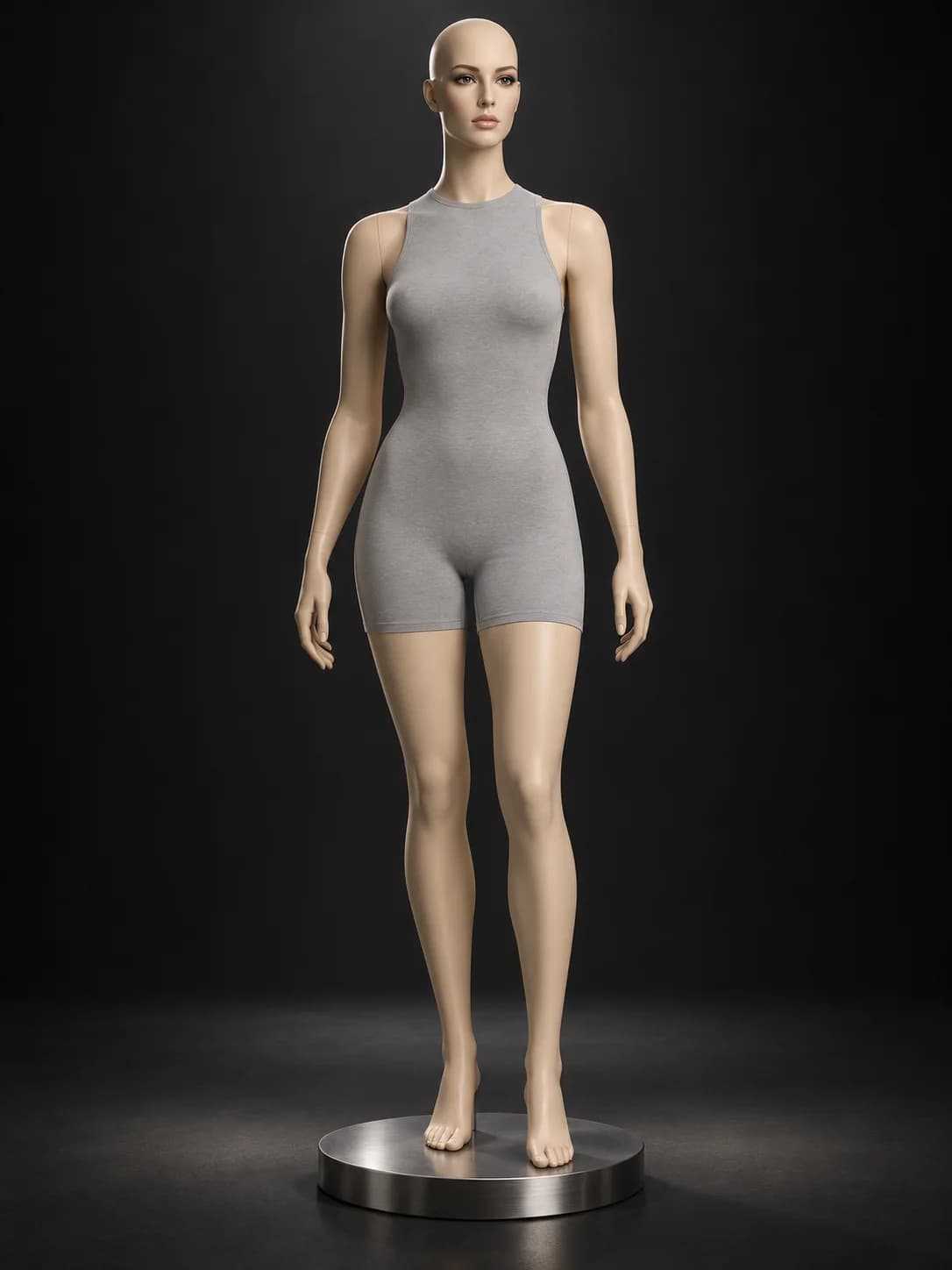
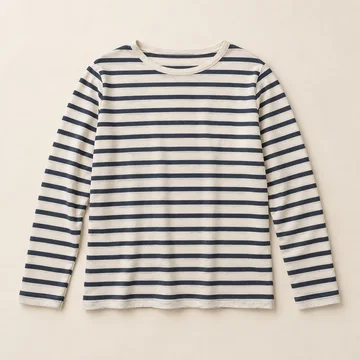
For sitting down. Reaching up. Walking home. A size on a label can’t tell the whole story, and you shouldn’t have to ignore discomfort to make a look work.
The personal wardrobe experience is in development. You can explore our sample wardrobe today; joining the list is free and does not start a subscription.
DIGITAL ME / CONCEPT ARTWORK✳
Start with something that feels right
What do you like about your favourite pair?
Perhaps the waistband feels easy, the rise sits where you want it, or the fabric moves with you. Those details are useful information, not small complaints.
Your measurements and preferred ease
Sleeve, rise and length preferences
Fabric, closure and footwear comfort
MORE USEFUL THAN A SIZE LABEL
Tell us how you need the clothes to feel.
You can fit into something and still not want to wear it. A waistband that bothers you while sitting, a rough seam or a fastening that makes getting dressed difficult can matter more than the number on a label. Your preferences deserve to be part of the outfit brief.
Your body measurements describe you. Garment measurements describe a particular piece. The difference between them can help discuss room, but fabric, cut and construction still matter. Your preferred amount of space is another input; a close fit is not automatically the right fit.
Do not turn a measurement into a judgement about your body.
02
Check a real movement
Think about the day: sitting through a journey, reaching shelves, walking between buildings or dressing with limited time. When trying a piece you own, note the specific moment that changes comfort. ‘Pulls across the back when reaching’ is more useful than a general bad-fit label.
Fit notes should describe the garment’s behaviour.
03
Bring familiar evidence to an unfamiliar size
A comfortable item you already own can be a practical reference. Compare the same measurement taken in the same way, and check whether a retailer’s chart describes a body or a garment. If the chart does not say, leave the uncertainty visible rather than converting the label with false precision.
A familiar reference helps; it does not guarantee a different garment will fit.
THE DETAILS, MADE CONCRETE
Turn a vague problem into a useful note
Examples for your own wardrobe review; these are not medical assessments or universal fit rules.
Turn a vague problem into a useful note
You notice
A clearer record
Next question
These trousers are uncomfortable
Waist feels tight when seated
Would a different cut or waistband suit this day?
I never wear this top
Seam texture bothers me at the neck
Do other tops avoid that seam or fabric?
The size is usually right
Sleeves restrict reaching
How does the sleeve and shoulder compare with a comfortable piece?
↳Start with one troublesome garment and one reliable favourite. You do not need a full set of body measurements to make that comparison useful.
BEFORE YOU TAKE THE NEXT STEP
A little more clarity.
Practical answers, including what is still being built.
Can you guarantee a size across brands?+
No. Different garments and fabrics behave differently. Fit guidance needs item-specific evidence and clear uncertainty; it cannot guarantee a brand size.
Do I have to share weight or body photos?+
No information of that kind is requested on this public site. The intended fit workflow should ask for information relevant to the task and explain why it is needed, with a measurement-led route available.
Can I set coverage or dressing preferences?+
That is part of the planned profile: coverage, texture, closures and movement needs should be recorded in your own terms. You do not have to explain or justify a preference to use it.