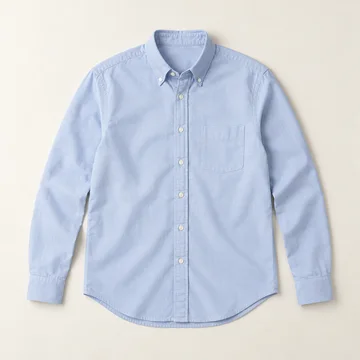
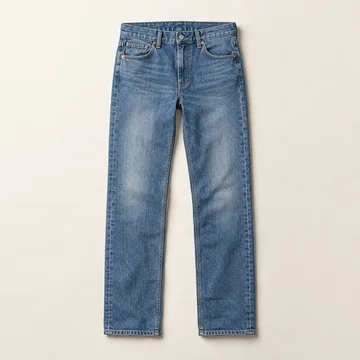
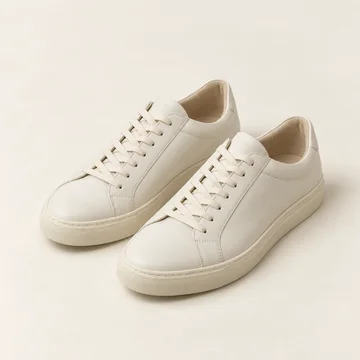
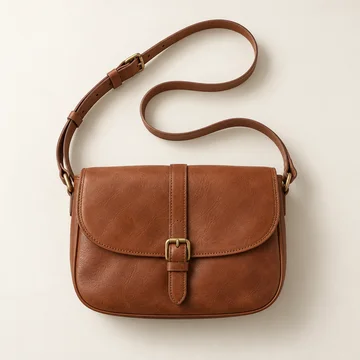
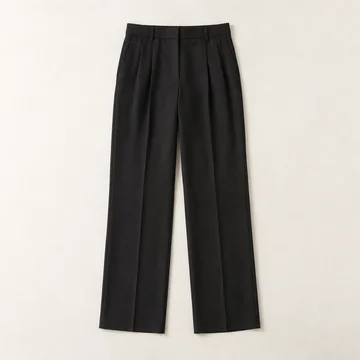
You already know a piece that feels comfortable. Looking closely at it can help you describe what you want next—without assuming every garment with the same size label will feel the same.
A practical guide from Trezhyr · 12 October 2026. This is general comparison guidance, not a validated fitting result.
A FEW FAMILIAR FAVOURITESStart with what you have.
Before you reach for a tape
Body measurements and garment measurements are different.
A garment usually includes room for movement and a particular silhouette. Its dimensions are not a direct substitute for your body dimensions.
Choose a similar type of garment
Use the seller’s measurement method
Compare fabric and construction too
A REFERENCE YOU ALREADY TRUST
Measure the garment that feels right before judging the one that doesn’t.
A familiar piece can give you a useful comparison, especially when labels disagree. This exercise records garment dimensions, not body measurements. It cannot promise that another piece will fit, but it can make the next question much more specific.
Use a piece that is comfortable for the purpose you have in mind. Compare trousers with similar trousers, or a top with a similar style of top. Different fabrics, stretch, shapes and ways of wearing a garment can make the same number behave differently. Do not force a comparison where the construction is fundamentally different.
Write down why this is your reference: for example, comfortable while seated.
02
Record the method as carefully as the number
Lay the item flat without stretching it and note whether fastenings are closed. Choose clearly identifiable points for the measurement you need, such as the inside leg seam or the width across a laid-flat waistband. Record units and endpoints. A laid-flat width is not automatically a body circumference or a retailer’s size-chart measurement.
A useful note says what, where and how—not just a number.
03
Compare like with like, then try the garment
Repeat the same method on the other item or check that a published chart uses matching points. If you cannot establish that, treat the comparison as uncertain. Use physical try-on and movement where possible; ease, fabric and cut can change comfort even when one dimension matches.
One matching measurement is a clue, not a fit guarantee.
THE DETAILS, MADE CONCRETE
A measurement note you can repeat
Example format. No sample numbers are prescribed because your garments and measuring points differ.
A measurement note you can repeat
Record
What to write
Why it matters
Garment
Name and current alteration state
You can identify the same piece later
Method
Laid flat, fastening closed, not stretched
A repeatable setup
Dimension
Named start and end points, value and unit
Avoids comparing different measurements
Experience
Comfortable sitting; enough room at thigh
Connects the number to real use
Uncertainty
Elastic or unclear seam position
Prevents false precision
↳Keep body measurements separate. If you need help fitting or altering a garment, take the record to a suitable professional rather than treating this exercise as a sewing instruction.
BEFORE YOU TAKE THE NEXT STEP
A little more clarity.
Practical answers, including what is still being built.
Can I use these notes as a guaranteed size recommendation?+
No. They are useful evidence, not a guarantee. Item-specific construction, stretch and your preferred ease still matter.
Should I double every flat measurement?+
No. A width, length and circumference are different measurements, and construction can complicate a conversion. Keep the original method explicit rather than guessing what a chart intended.
What if the favourite has stretched or been altered?+
Record its current state. The useful comparison is with the garment you actually wear now, not an assumed factory measurement from when it was new.