You don’t need an impeccably organised wardrobe. Or a whole afternoon. The starting point we’re building is a few familiar pieces and something you’d like help getting dressed for.
The personal wardrobe experience is in development. You can explore our sample wardrobe today; joining the list is free and does not start a subscription.
A FEW FAMILIAR FAVOURITESStart with what you have.
Your first small step
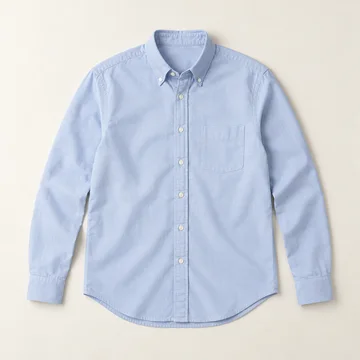
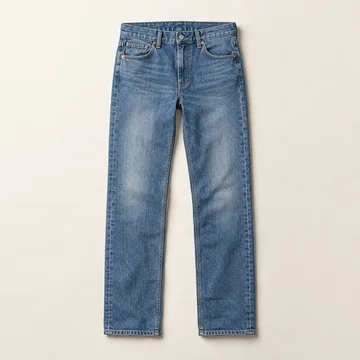
A shirt. A pair of trousers. Somewhere to go.
Start with an outfit you nearly like. Perhaps the shoes feel wrong, or you’re not sure what to layer over it. That is a useful question to begin with.
Add a few pieces you actually own
Tell us what you need the look to do
Keep what feels right. Change what doesn’t.
YOUR FIRST WARDROBE SESSION
One useful outfit is a good beginning.
Picture tomorrow morning: you need to leave early, you will be walking, and you want to feel put together. You already own enough clothes. The useful work is connecting those clothes to that day. Here is the personal workflow we are building, and what you can explore before it opens.
Start with where you are going, what you will be doing and one thing you want to avoid. ‘A day at work, a long walk and nothing tight at the waist’ tells us more than ‘smart casual’. You should be able to type this yourself without connecting a calendar or sharing your location.
Your starting brief: a place, an activity and a preference.
02
Build a small, checked collection
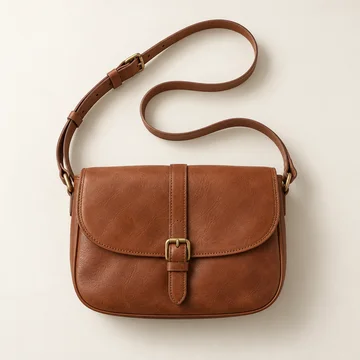
In the planned wardrobe, you can begin with a top, a bottom, a layer, shoes and a bag. Check category, colour and availability. Keep uncertain details blank. A photograph may help identify a piece, but it cannot establish its fabric, stretch or physical fit by itself.
The goal is five usable records, not a perfect catalogue.
03
Try, change and keep the reason
An outfit needs an explanation you can challenge. Keep the trousers, change the shoes, or say the whole direction feels wrong. After wearing it, note what helped and what did not. That real experience should inform the next choice more than a flattering illustration.
Your feedback belongs with the outfit, not in a forgotten conversation.
THE DETAILS, MADE CONCRETE
From a brief to a practical decision
Illustrative workflow · these personal records are not saved by the public sample.
From a brief to a practical decision
You tell us
The wardrobe needs
The useful result
I will walk to work
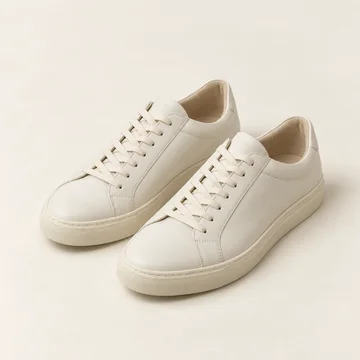
Shoes you have found comfortable
Start with those shoes; build around them
My blue shirt is in the wash
Its current availability
Keep it out of tomorrow’s ready-to-wear look
Dinner after work
A carryable second layer or accessory
One base outfit with a small evening change
↳Try the public sample for the interaction. Use the starting-point guide for a practical exercise with your own clothes; it does not create a wardrobe account.
BEFORE YOU TAKE THE NEXT STEP
A little more clarity.
Practical answers, including what is still being built.
Do I need to photograph everything first?+
No. Our planned onboarding starts with a small set. Today’s sample lets you try the interaction without uploading anything.
What if I do not know my style?+
You can start with what you reach for and what you avoid. A named aesthetic is optional. Specific feedback such as ‘I like this colour but not this neckline’ is a more useful starting point.
Will Trezhyr make every decision for me?+
The intention is to narrow the decision and explain the options. You keep the final say, including deciding that your familiar outfit is already the right answer.