You’ve checked the time twice. There’s a meeting to get to and something after work. Let’s give your wardrobe a little preparation, so the morning asks less of you.
The personal wardrobe experience is in development. You can explore our sample wardrobe today; joining the list is free and does not start a subscription.
Work & everyday✳
Illustrative week · work and dinner
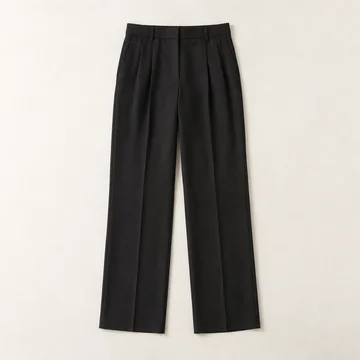
One pair of trousers. Two very different appointments.
A familiar shirt for work, a different layer for the evening, shoes you can walk in for both. Preparing the change can be more useful than planning an entirely new outfit.
Sunday · choose the days worth planning
Tuesday · check what needs cleaning
Thursday · keep the base, change the layer
FOR THE WEEK THAT DOES NOT STAY STILL
You have a commute, a meeting and a life after work.
You do not necessarily need more work clothes. You need a few combinations that can carry different kinds of days, without another decision at the moment you need to leave. Start with your actual working environment—not a generic picture of an office.
A creative studio, a classroom, a client visit and a uniformed workplace have different requirements. Keep any required dress rules explicit. Add your own coverage, movement and comfort needs instead of assuming that looking professional means a suit or uncomfortable shoes.
Your workplace sets some constraints. Your preferences still belong in the brief.
02
Choose the week’s dependable base
Pick pieces you already know you can wear for a full day. Build around shoes that suit the commute and bottoms that remain comfortable while seated. Then vary the tops, layers or accessories. Repeating a good base can simplify the week without making every day feel identical.
Prepare a few complete looks, including the things you carry.
03
Make room for the after-work part
If you have dinner, an appointment or time outdoors, identify what really needs to change. It may be one layer or a different bag, rather than a second outfit. Put that piece with your things before the morning rush and keep a backup for any garment still in the wash.
An evening change only helps if it is practical to carry.
THE DETAILS, MADE CONCRETE
A week you could actually prepare
Fictional adult wardrobe scenario · adapt dress expectations and conditions to your own workplace.
A week you could actually prepare
Moment
Outfit decision
The small job beforehand
Sunday evening
Choose two reliable bases
Check availability, weather and the fixed commitments
Monday · walking commute
Familiar shoes with an everyday look
Pack the bag rather than changing it in a hurry
Tuesday · important meeting
The checked look you feel comfortable presenting in
Check fit, creases and any missing fastenings
Thursday · work then dinner
Keep the base; change one element
Put the evening piece in your bag
Friday · review
Keep the combinations that worked
Note one comfort issue to avoid next week
↳Try this with what you own before thinking about a membership. Trezhyr’s personal week planner is in development; the practical exercise does not depend on it.
BEFORE YOU TAKE THE NEXT STEP
A little more clarity.
Practical answers, including what is still being built.
What if my days don’t follow a nine-to-five routine?+
Your own commitments and preferences should set the pattern. Work and everyday planning isn’t limited to office hours or formal clothes.
What if I wear a uniform?+
A wardrobe plan can still help with permitted layers, footwear, off-duty clothes and care preparation. Your employer’s requirements take precedence; we should not suggest changes that ignore them.
What if my week changes every day?+
Build a small set of ready alternatives rather than assigning everything to a date. The useful outcome may be two dependable choices and fewer last-minute searches, not a fully scheduled week.