You don’t need a score telling you whether your wardrobe is good enough. You need a clearer picture of what you wear, what helps and what might deserve another chance.
The personal wardrobe experience is in development. You can explore our sample wardrobe today; joining the list is free and does not start a subscription.
A FEW FAMILIAR FAVOURITESStart with what you have.
Simple arithmetic. Honest context.
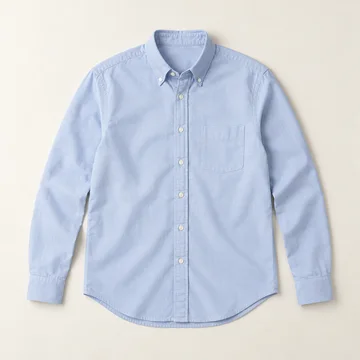
A 60-unit shirt, worn 12 confirmed times: 5 per wear.
That example explains cost per wear. It does not measure happiness, quality or environmental impact—and it can’t tell you what a never-worn item will be worth later.
Confirmed wears, not assumed activity
Missing prices stay unknown
Compare a clearly stated time period
A REPORT THAT EXPLAINS ITS NUMBERS
Learn from your wardrobe without being graded by it.
The point of an insight is to help you choose a next step. It might show that your most useful layer needs repair, or that you already have enough outfits for work. It should not turn dressing into a competition to maximise a score.
A planned outfit is not a confirmed wear. If you only log some days, the report should say so. An unworn item could be seasonal, sentimental or waiting for an occasion. Low recorded use is a prompt for a question, not an instruction to throw something away.
Separate recorded activity from missing information.
02
Explain the calculation beside the result
Cost per recorded wear is recorded purchase cost divided by confirmed wears. It is not resale value, money saved or a complete account of ownership costs. If either input is missing—or the wear count is zero—the result should remain unavailable rather than becoming a misleading number.
Every useful metric needs a definition and a visible limit.
03
Choose a goal that matters to you
You might want three reliable work outfits, to repair a favourite or to pause shopping for a month. Review progress against that goal. A larger wardrobe, more logged wears or a longer streak is not automatically better for your life.
The report should support your priorities, not choose them for you.
THE DETAILS, MADE CONCRETE
Read this number with its context
Fictional example · amounts use an unspecified currency for illustration, not a price or savings claim.
Read this number with its context
Recorded evidence
Honest result
Useful next step
Cost 60; 12 confirmed wears
5 per recorded wear; other costs excluded
Keep caring for a piece you use
Cost unknown; 8 confirmed wears
Wear count available; cost metric unavailable
No need to invent an original price
3 planned looks; 0 confirmed wears
Three plans, no recorded wear yet
Ask whether the plans were useful
Winter coat unused this month
No recent recorded use
Consider the season before treating it as a problem
↳These are the reporting standards we intend to use. Personal wardrobe reports are not generated by this public website.
BEFORE YOU TAKE THE NEXT STEP
A little more clarity.
Practical answers, including what is still being built.
Does the public website track my wardrobe use?+
No. The sample is a demonstration. Personal wear history and reports require the member experience, which is still in development.
Will I have to log every day?+
A useful service should still work with partial records. The report must show the coverage of those records so you can interpret it without feeling obliged to maintain a perfect streak.
Can an insight tell me to declutter?+
It can help you review options, but a low wear count alone is not a reason to remove an item. You understand its role, sentimental value and future use better than a simple count does.