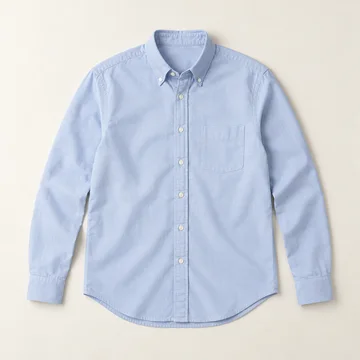
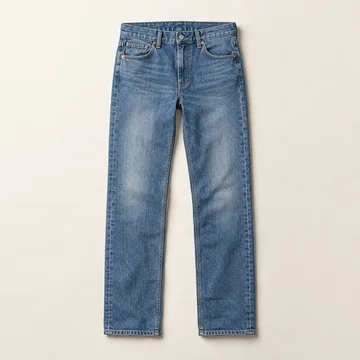
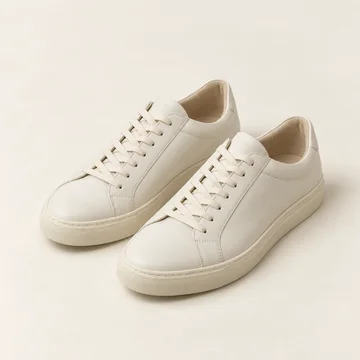
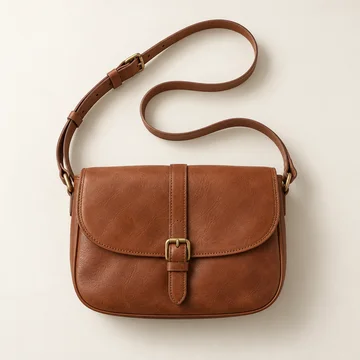
A stack of clothes can still leave you without the right outfit. Planning complete looks helps you see whether the trip is covered—and where you’re packing the same solution twice.
A practical guide from Trezhyr · 12 October 2026. The trip is an example, not a live weather-based packing plan.
A SMALL EDIT. YOUR OWN PIECES.Start with what you have.
Try a three-day edit
Travel. Walking. Dinner. Travel home.
Write down the activities, choose complete looks and then combine the lists. Count a shared piece once, but check when it can be worn again.
Shoes that suit the actual activities
Layers for conditions you have checked
Cleaning and repeat preferences
FROM A PILE OF CLOTHES TO A TRIP PLAN
Lay out the days before you lay out the case.
Packing by category can leave you with plenty of tops and no complete outfit for dinner. Start from the activities, build the looks, then turn those looks into one deduplicated list. You can do this on paper before using any wardrobe app.
Include arrival and departure, not just the days at your destination. Add dress expectations, walking, time outdoors and any specific cultural or coverage needs. Mark unknowns and check them. A vague ‘holiday outfit’ hides too many assumptions to be a reliable packing decision.
Try this: make one row for each distinct clothing need.
02
Lay out complete looks, then consolidate
Include shoes, bags and layers. When one piece appears in several looks, put it on the list once and check that it can realistically be reworn. Laundry access and drying time matter. Do not rely on washing a critical item unless you know that is possible.
Try this: circle repeated pieces and check their availability between days.
03
Test one realistic disruption
What if an evening is cooler than expected, a top gets marked or dinner changes venue? Choose a flexible response to the most plausible issue. Then do a physical bag check and review the actual carrier restrictions separately. A long list is not proof that the case closes or meets an allowance.
Try this: remove an extra item that solves no named need.
THE DETAILS, MADE CONCRETE
The packing sheet
Copy the structure and replace the example entries with your actual trip.
The packing sheet
Need
Complete look
Packing consequence
Travel day
Comfortable base + walking shoes + accessible bag
Keep essentials reachable
Evening plan
Checked outfit + suitable layer
Confirm expectations rather than packing an imaginary dress code
Second everyday look
Reusable base + clean top
Count tops against real laundry access
Likely change
One compatible spare or layer
Choose a response that works with the main pieces
↳Keep a copy where you can access it while packing. The guided starting-point tool can produce a downloadable exercise; this article itself does not save a personal trip plan.
BEFORE YOU TAKE THE NEXT STEP
A little more clarity.
Practical answers, including what is still being built.
Should every trip have a capsule wardrobe?+
Only if the approach helps. A practical selection for your activities matters more than reaching a particular item count.
Should I pack a different outfit for every day?+
Only if your needs call for it. Reuse can be practical when care, comfort and activity allow; a fixed minimum number is less useful than checking actual coverage.
Can a travel capsule work for a formal event?+
Include the event as its own requirement first. Some pieces may overlap with the rest of the trip, but the capsule should not erase a dress requirement just to reduce the count.